AI-Written Resumes: Detection and Ethics
Can recruiters tell if ChatGPT wrote your resume? Explore detection, rejection risks, and ethical AI use to stay safe with ATS systems in 2026.
By Yuvraj Bajwa, Founder, Resumae
July 12, 2026 · Updated August 7, 2026 · 6 min read
Resumae articles are written to help job seekers make better application decisions and are reviewed against our editorial policy.
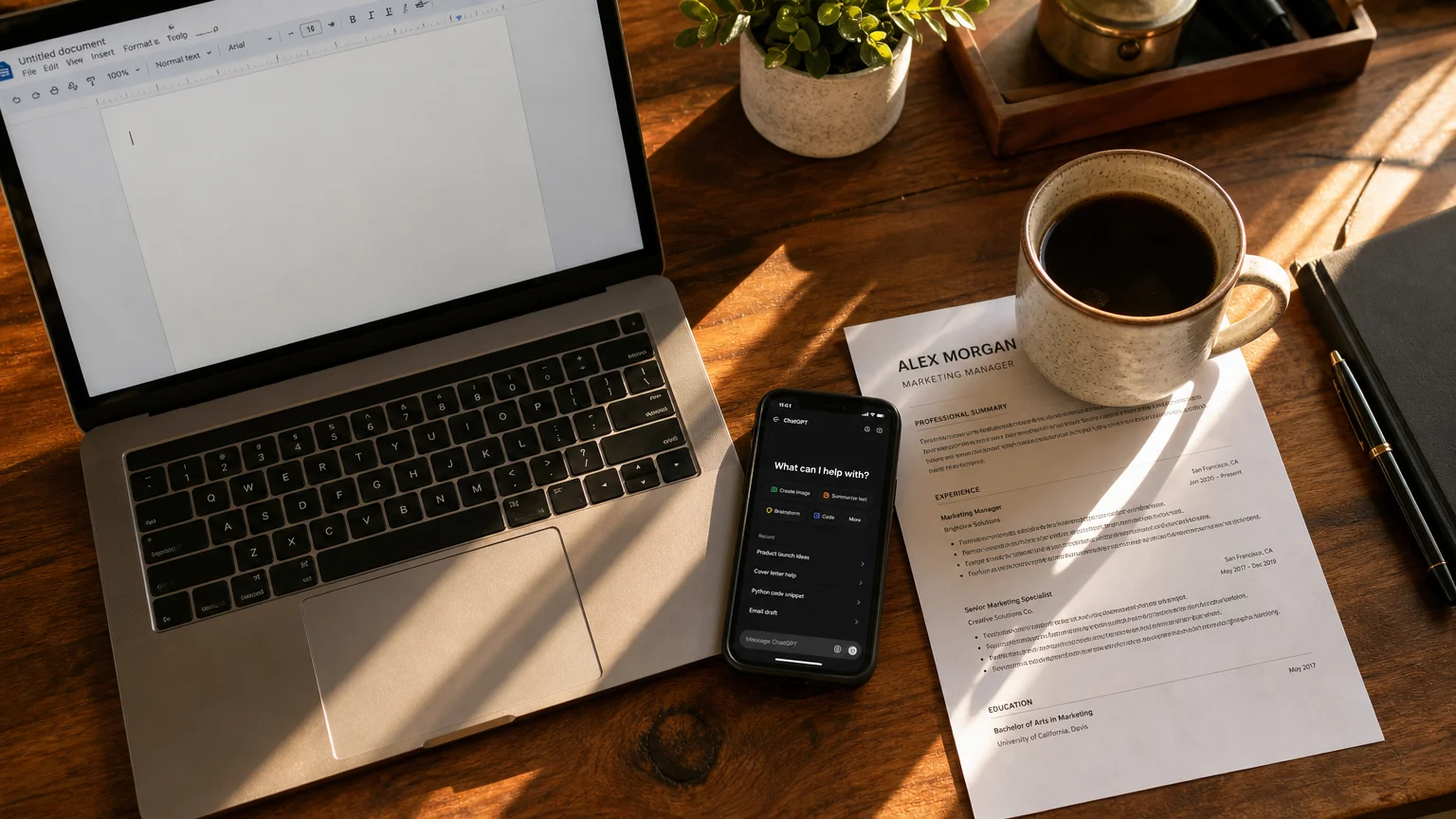
You are staring at a blank document while job applications pile up. ChatGPT can write a resume in 30 seconds.
But then a friend warns you: “Recruiters can always tell. They’ll blacklist you.”
So what should you believe?
Here is what the cited data says about AI-written resumes and how to use these tools without hurting your job search.
Last updated: August 7, 2026
Can Recruiters Actually Tell You Used AI?
Yes. Sometimes.
Experienced recruiters spot AI-written resumes through a handful of common tells:
Generic language. Phrases like “results-driven professional,” “team player with strong communication skills,” and “passionate about leveraging technology” are ChatGPT favorites. They’re also meaningless.
Overused buzzwords. According to Forbes Coaches Council, AI tends to lean heavily on terms like “strategic,” “dynamic,” and “innovative,” words that have been beaten to death in job applications (source: https://www.forbes.com/councils/forbescoachescouncil/2025/08/07/how-recruiters-can-tell-you-used-ai-on-your-resume-and-why-it-matters/).
Lack of personal voice. AI-written resumes rarely sound like a real person wrote them. The cadence is off. The phrasing is too perfect. You know that feeling when you read something and think, “No human would say it that way”? That’s the tell.
Unnatural formatting and phrasing. The New York Post reported that recruiters flag resumes with unusual word choices, overly complex sentence structures, and bullet points that sound identical in rhythm (source: https://nypost.com/2024/11/05/lifestyle/how-recruiters-know-you-used-chatgpt-on-a-job-application/).
Consistency errors. Michael Page, the global recruitment agency, notes that AI often fails to maintain a consistent voice across sections. One part sounds formal. The next sounds casual. It’s like two different people wrote the document (source: https://www.michaelpage.com.au/recruitment-expertise/employer-insights/how-identify-resumes-created-ai-or-chatgpt).
Detection is not universal. A well-edited, AI-assisted resume with personalized details may not raise any flags.
The Numbers: How Many Resumes Get Rejected?
The stats aren’t pretty for fully AI-generated content.
49% of US hiring managers say they’d reject a resume they know is AI-generated (source: https://resumevera.com/blogs/can-recruiters-tell-chatgpt-resume; https://theresumewriters.com.au/can-employers-tell-if-you-used-chatgpt-for-your-resume/).
Then there’s this: of resumes flagged as AI-generated in 2025, 62% were rejected outright (source: https://theresumewriters.com.au/can-employers-tell-if-you-used-chatgpt-for-your-resume/).
Both numbers point the same way. Pasting AI output straight into an application is asking for trouble.
That 49% figure only covers resumes managers know are AI-generated. The real rejection rate could be lower, since plenty of AI-written resumes slip through unnoticed. Recruiters aren’t running detectors on every application. They’re going on judgment and experience.
The ATS Paradox
The ATS changes the game.
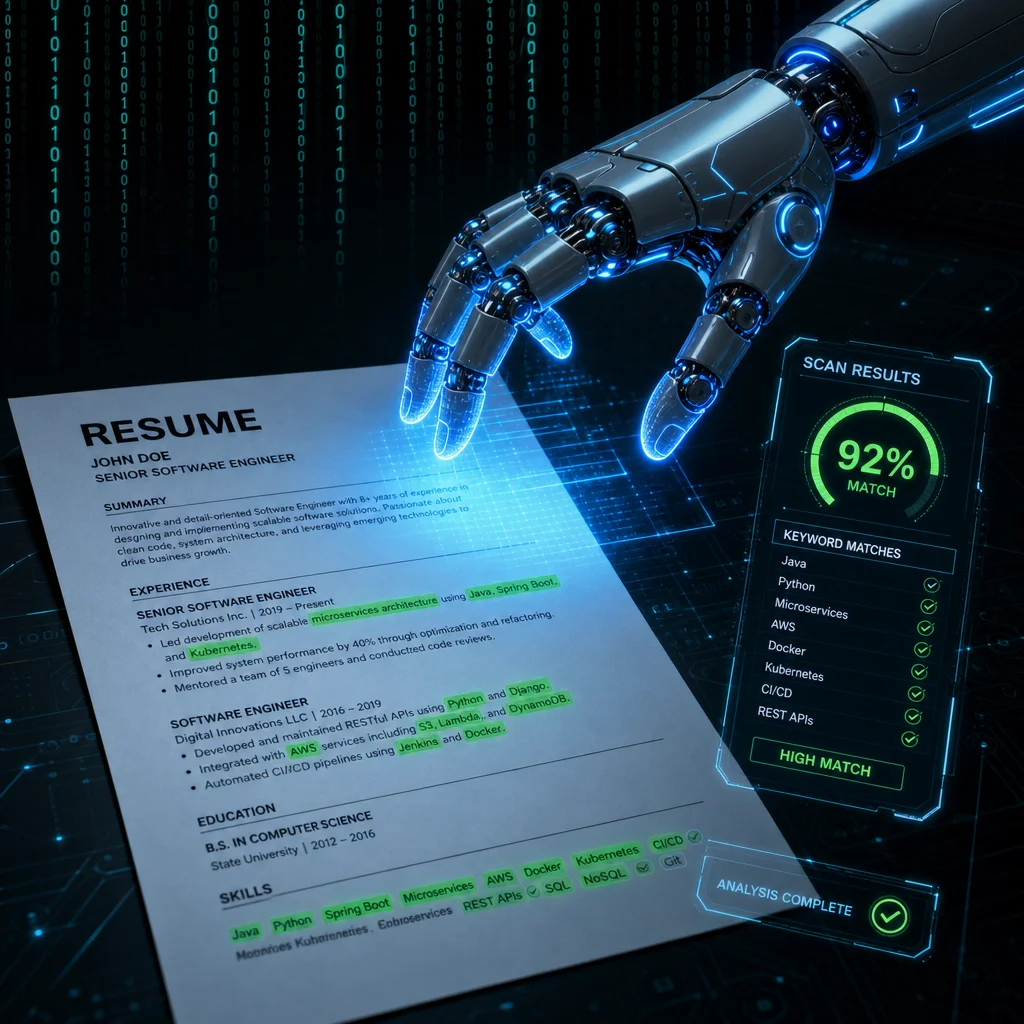
Applicant Tracking Systems (ATS), including Workday, Greenhouse, and iCIMS, scan resumes for keyword relevance. Who wrote the document doesn’t matter to them. As one industry analysis noted, ATS platforms don’t currently detect AI-generated content (source: https://sajjaad.substack.com/p/recruiters-can-tell-you-used-ai-on; https://discover.oreateai.com/discover/can-ats-detect-ai-resumes-the-real-reasons-your-application-is-getting-flagged).
So here’s the paradox:
AI-optimized content often performs better in ATS filters because it naturally includes the keywords and phrasing these systems reward.
Which means the same AI-generated resume that might get rejected by a human recruiter could actually have a higher chance of passing the initial ATS screening.
You can clear that first hurdle and still get flagged when a person reads it. The system isn’t built to catch AI content yet, but human reviewers are getting better at spotting its patterns.
The Symmetrical AI Dynamic
One statistic adds context:
87% of recruiters used AI in the recruiting process in 2024 (source: https://www.willo.video/blog/how-to-detect-ai-generated-resumes).
The people evaluating your resume may well be using AI tools themselves to screen, rank, and communicate with candidates.
Applicants and recruiters both lean on AI these days, but the two groups aren’t playing the same game. That difference matters more than the tool itself.
The ethical question shifts away from “is AI allowed” and lands on “what kind of AI use is fair.” instead.
The Ethics Debate: Cheating or Leveling the Playing Field?
Nobody agrees on whether AI belongs in a resume.
The anti-AI argument: A resume is supposed to be personal. It should sound like you, and using a machine to write it hides what you actually bring. Some companies have gone so far as to ban AI-generated applications outright (source: https://www.linkedin.com/pulse/ethical-use-ai-job-application-bola-vb8pc; https://www.apsc.gov.au/initiatives-and-programs/aps-professional-streams/aps-human-resources-hr-profession/aps-hr-professional-news/how-spot-ai-applicant).
The pro-AI argument: Resumes were never honest documents anyway. Everyone leans on templates, frameworks, and borrowed advice. AI is just the newest version of that. For people who struggle with writing, who speak English as a second language, or who simply lack the hours to polish every line, it levels things out.
Forbes contributor Rachel Wells draws a useful line: editing with AI is fine, but letting it ghostwrite for you crosses into murky territory (source: https://www.forbes.com/sites/rachelwells/2024/10/14/should-you-use-ai-to-write-your-resume-in-2024/). Staffing Advisors agrees, ethical use means improving your own content, not replacing it (source: https://www.staffingadvisors.com/blog/how-to-use-ai-ethically-in-your-job-search/). The Ican Connection framework adds transparency and accountability to that list, insisting you keep a clear line between assistance and automation (source: https://icanconnection.org/ethical-considerations-when-using-ai-to-create-cvs-and-cover-letters/).
Best Practices: How to Use AI Without Getting Rejected
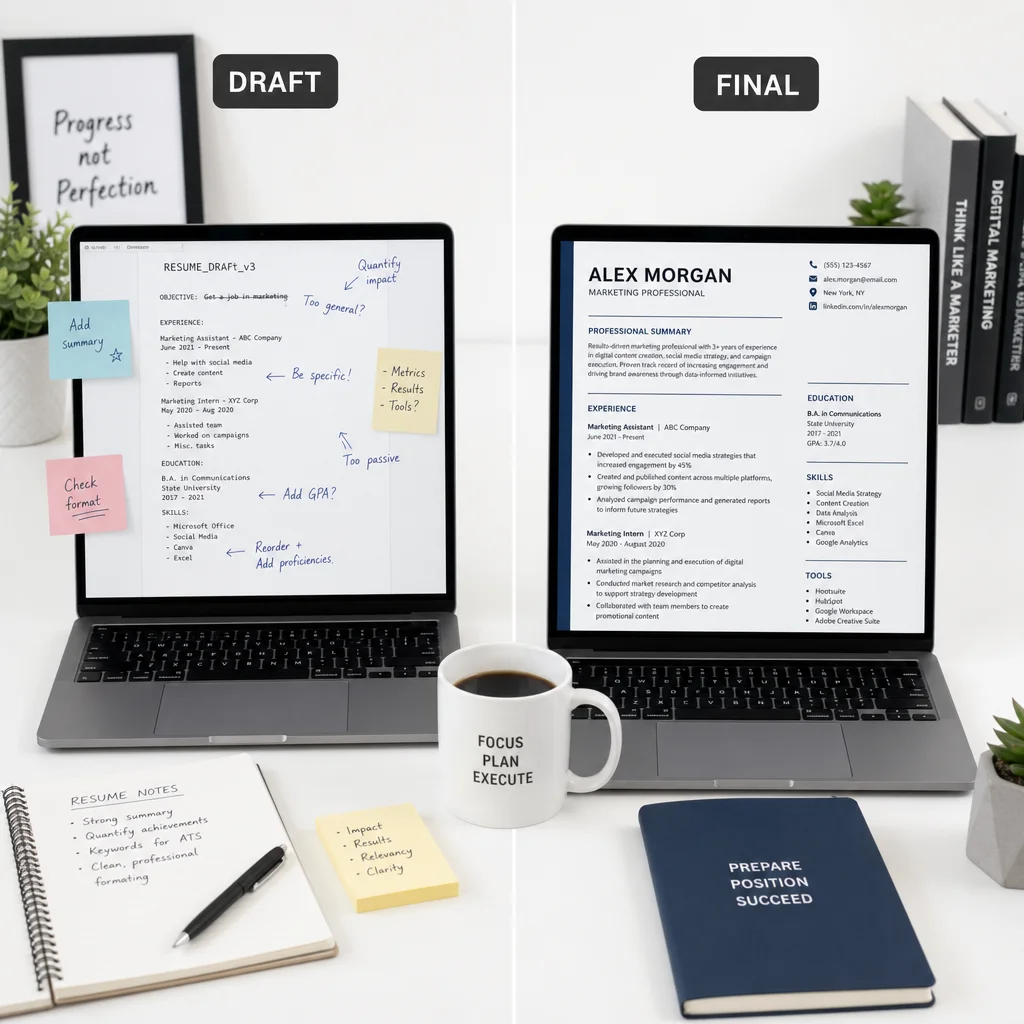
Treat AI like an editor you hire, not a ghostwriter.
1. Start with your own content
Draft something rough first. Messy bullet points, half-finished sentences, fragments, all of it works as raw material. Then let AI clean up what you’ve already put down. Don’t ask it to start from zero.
2. Personalize everything
AI writes generic by default. Every “results-driven professional” line you strip out is one bullet you’ve dodged.
Plug in real numbers, actual company names, projects you lived through. If swapping your employer for another company doesn’t change the sentence’s meaning, it’s too vague.
3. Read it out loud
Read your resume out loud. If a sentence sounds like something you would never say, change it.
You want to come across as a confident, qualified colleague. Not a press release.
4. Use AI for structure, not substance
Ask AI: “Can you suggest a better structure for this bullet point?” or “What’s a stronger verb for ‘helped with’?”
Don’t ask: “Write me a resume for a marketing manager role.”
5. Check the employer’s policy
Some organizations, especially in government and regulated industries, have explicit rules against AI-generated applications. The Australian Public Service Commission, for example, has published guidance on how to spot AI applicants (source: https://www.apsc.gov.au/initiatives-and-programs/aps-professional-streams/aps-human-resources-hr-profession/aps-hr-professional-news/how-spot-ai-applicant).
When in doubt, look at their career site or application guidelines.
The Bottom Line
You can use AI to help with your resume. Most recruiters are using it themselves, and the technology isn’t going anywhere.
But you cannot outsource your authenticity.
The job market runs on trust. When a recruiter reads your resume, they’re deciding whether the person on the page is the one who’ll actually show up to work.
If the page feels machine-written, the recruiter might doubt it even when your qualifications are strong.
Use AI to improve your resume, not to replace yourself.
Write your own stories. Add your own numbers. Keep your voice.
That distinction shapes how a recruiter reads everything else you submit.

About the author
Yuvraj Bajwa
Founder, Resumae
Yuvraj Bajwa is the founder of Resumae, an AI job-search workspace built as part of Coffee Drop Studio. He writes and reviews the resume, cover letter, interview, and application-tracking guidance on this site, drawing on the day-to-day work of building the tailoring, fit analysis, and ATS tools the articles describe.
- Founder
- Product lead
Related reading
Does Tailoring Your Resume Really Matter for ATS?
Learn the truth about ATS resume screening, why tailoring genuinely improves your chances, and how to customize efficiently without rewriting from scratch.
Sent 50 Resumes & Got Zero Callbacks: What Am I Doing Wrong?
Zero callbacks after 50 applications is fixable. See the real reasons your resume is being ignored and fix your next 50 applications.
How to Tailor Your Resume for ATS in 2026
Learn how to tailor your resume for ATS in 2026. Master keyword matching, clean formatting, and parsing tips to get past bots and to hiring managers.
Next step
Ready to build a resume that gets noticed?
Paste a job description and let AI tailor your resume - free plan, no credit card required.