Topic
Resume format articles
Choosing between chronological, functional, and hybrid layouts, and formatting a resume so both a parser and a person can read it.
7articles
Format decides whether a resume gets read at all. Before anyone forms an opinion on your experience, the document has to survive applicant tracking software, render cleanly on a phone screen, and make its structure obvious in the first few seconds of a scan.
These articles compare chronological, functional, and hybrid layouts, explain the situations where each genuinely earns its place, and walk through the mechanical decisions — margins, fonts, date formats, section order, file type — that determine whether the finished page looks effortless or exhausting to read.
There is also a shorter companion question worth settling early: when a second page is justified, and how to earn it with content rather than padding. Several pieces here take that question on directly.
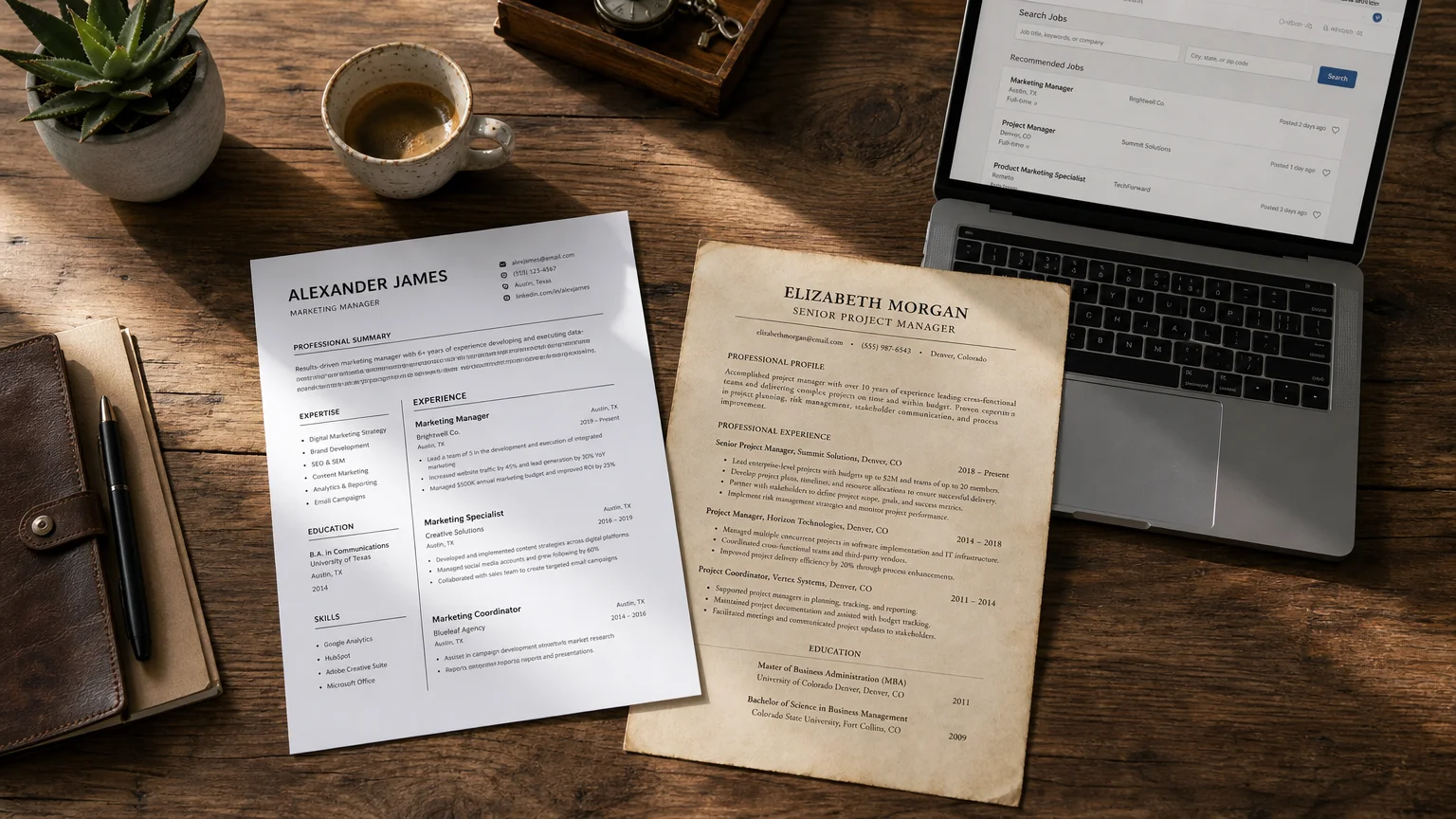
August 13, 2026 · 9 min read
Career-Change Resume With No Experience: How to Write It
A practical step-by-step guide to writing a career-change resume that highlights transferable skills, uses the right format, and lands interviews — even with no direct experience.

August 10, 2026 · 10 min read
How to Write a Career Change Resume That Gets Noticed
Learn to write a career change resume that gets interviews in 2026. Highlight transferable skills, choose the right format, and target keywords effectively.
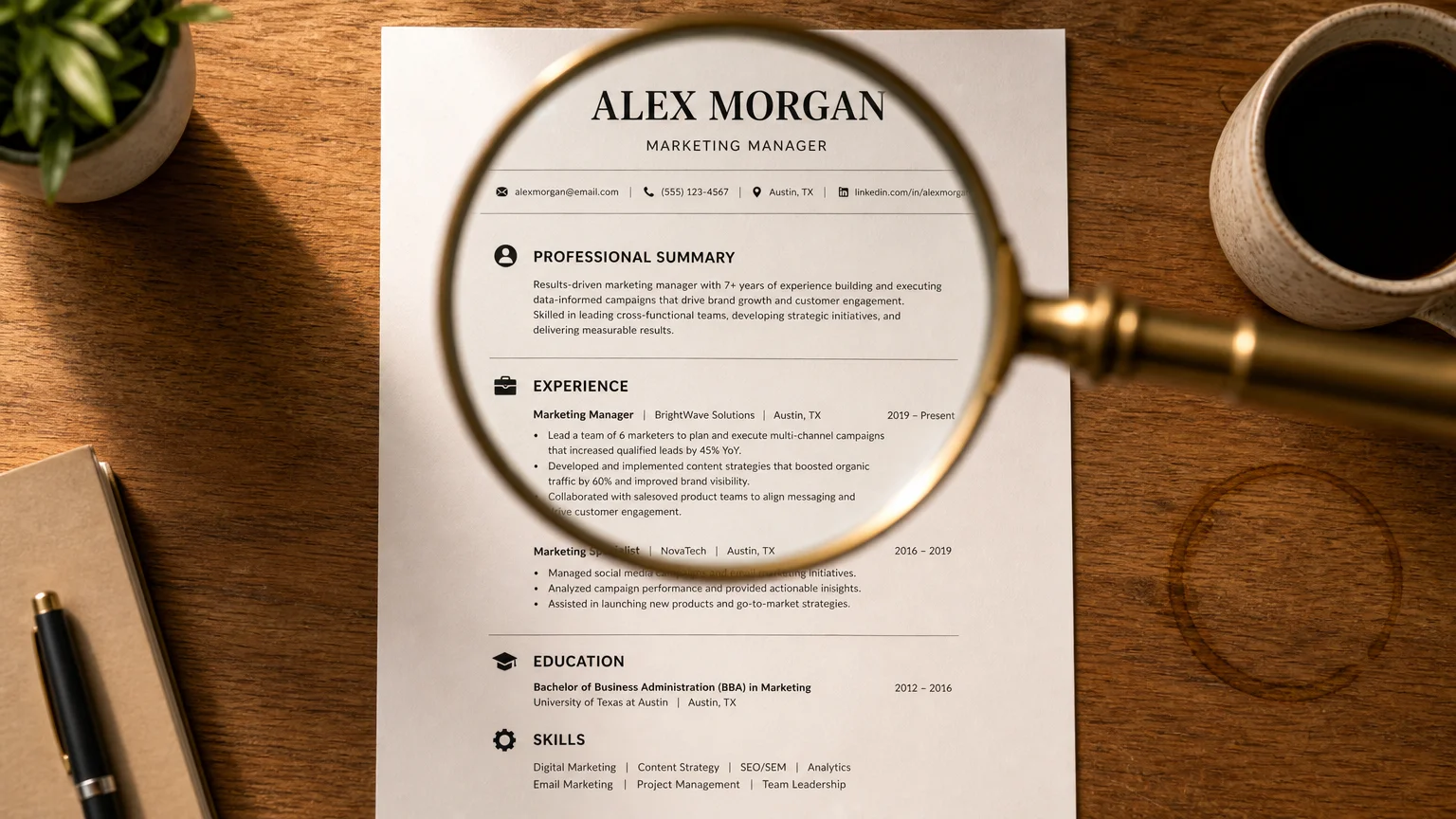
July 12, 2026 · 5 min read
10 Resume Formatting Tips That Get Past ATS
Stop your resume getting lost to ATS filters. Get 10 actionable formatting tips for 2026 to make your resume machine-readable and human-friendly every time.
July 12, 2026 · 8 min read
7 Steps to Write a Resume: Blank Page to ATS-Ready
Follow a 7-step guide to write a resume that passes ATS filters and reaches hiring managers. Cover format, keywords, achievements, and proofreading for 2026.
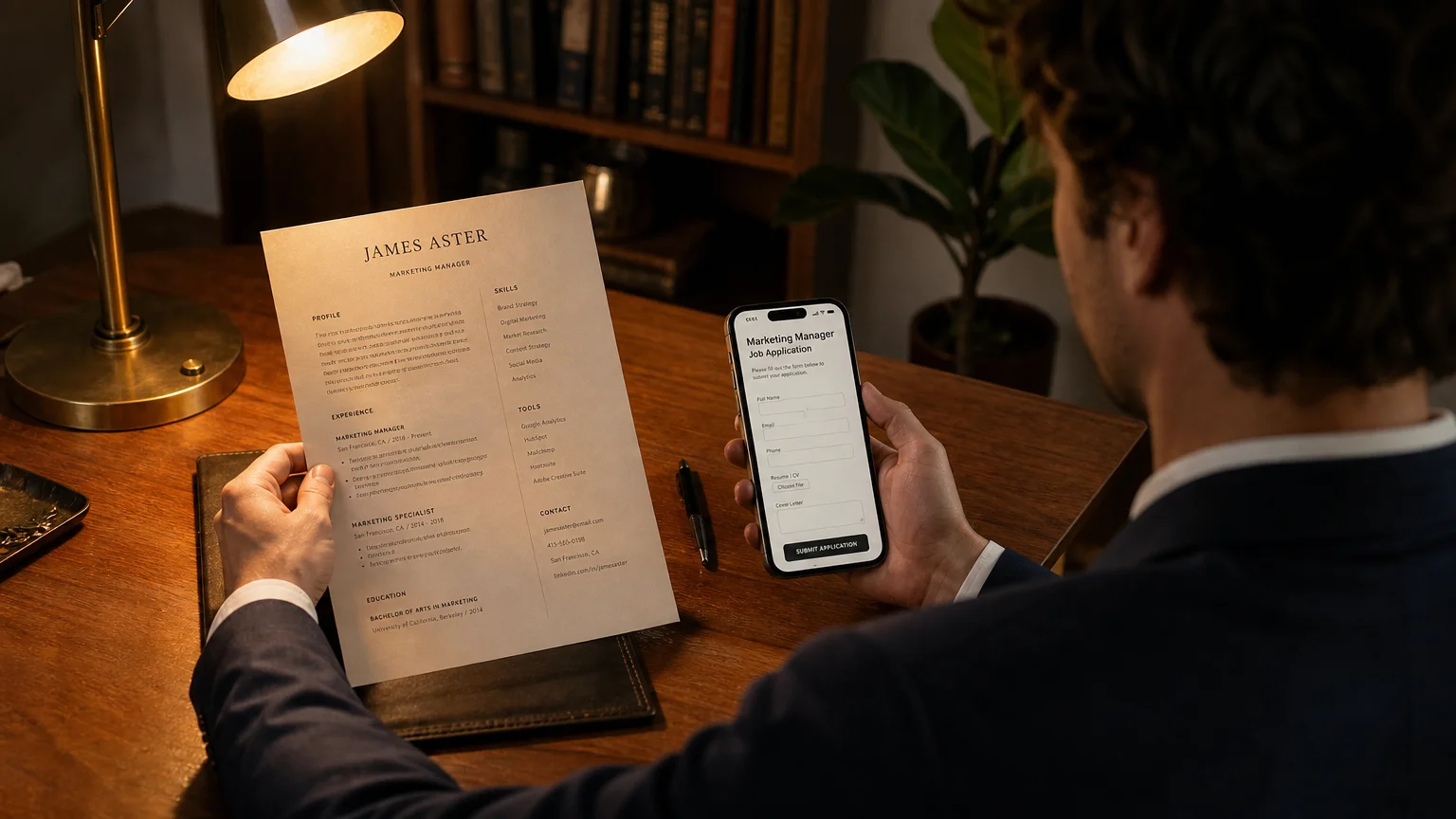
July 12, 2026 · 9 min read
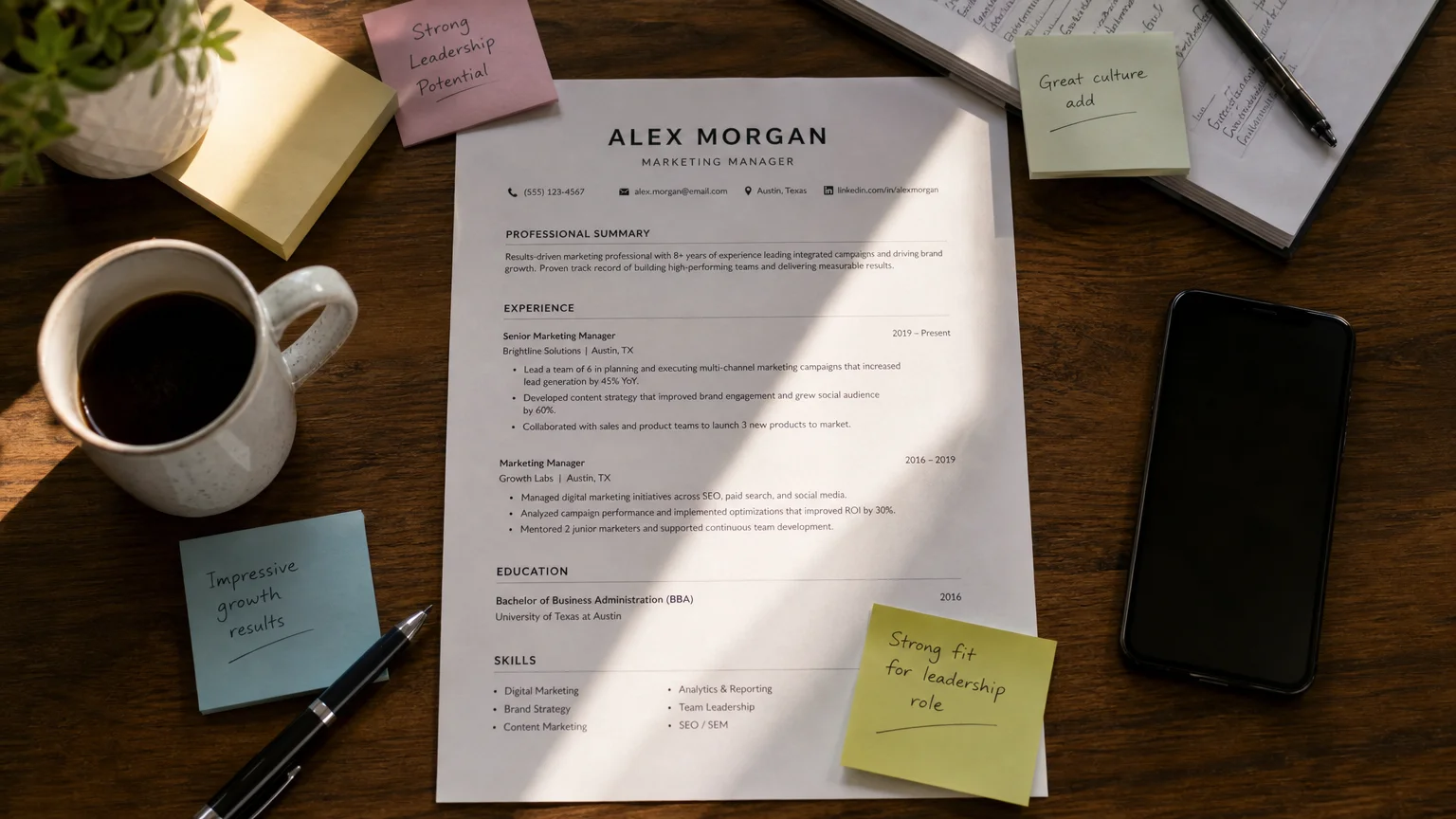
Best Resume Format 2026: Chronological vs Hybrid
Confused about resume formats in 2026? Compare chronological, functional, and hybrid layouts and learn why hybrid works for 80% of job seekers today.
July 12, 2026 · 6 min read
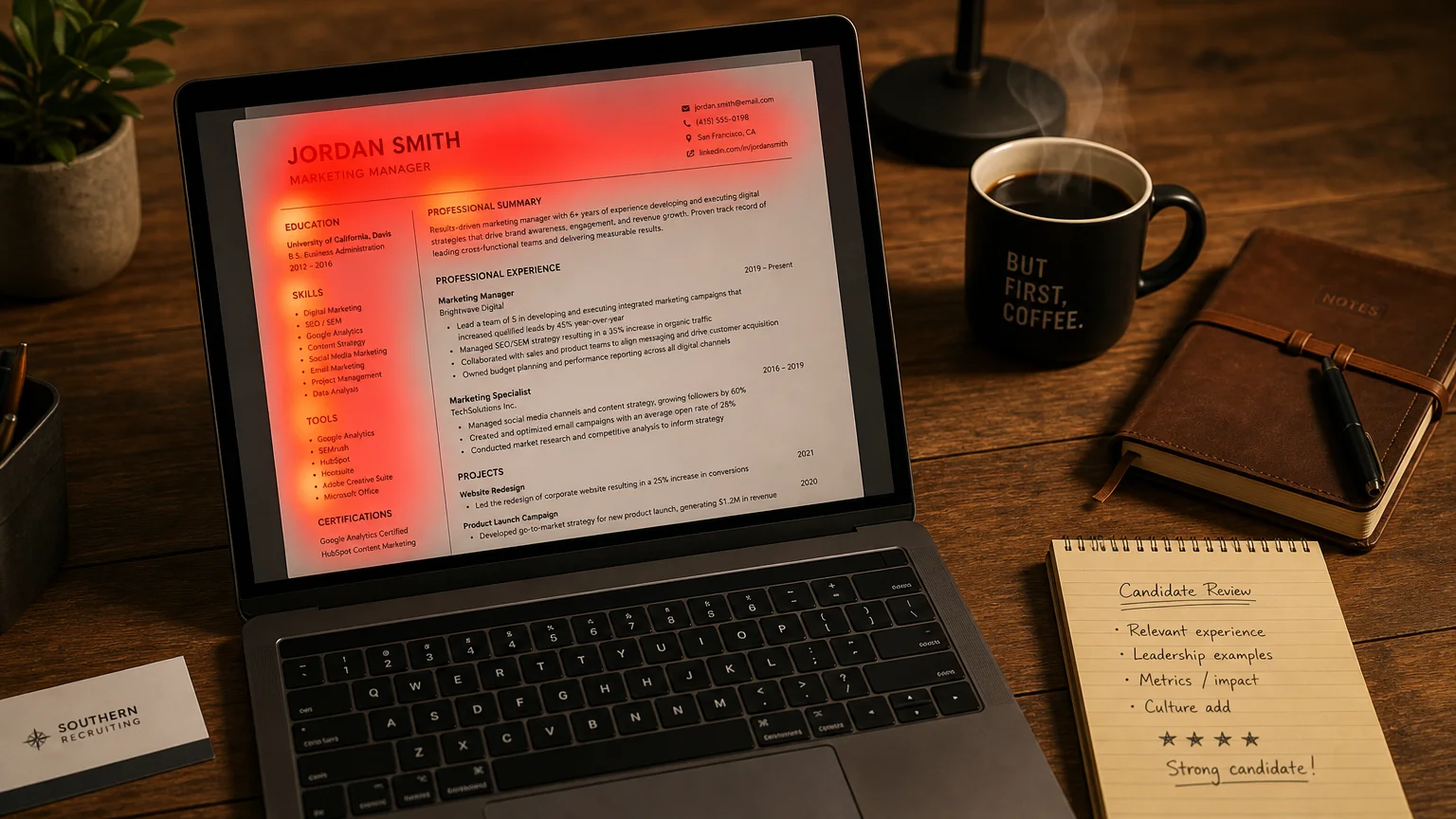
The 30-Second Resume Rule: How Recruiters Scan Your Resume
Recruiters scan resumes in 7 seconds. Learn eye-tracking heatmap secrets and optimize your resume for the quick scan and 30-second screen in 2026.
July 12, 2026 · 6 min read
Your Resume Has 7 Seconds: Make Them Count in 2026
Eye-tracking research shows how recruiters scan resumes in 2026. Learn the F-pattern, 6 fixation points, and how to optimize for the 7-second test.